
Quick Answer
The most important questions to ask a wedding photographer cover six areas: experience, style, packages, the wedding day itself, contracts, and photo rights. Ask them before you book, not after you fall in love with the portfolio. Confirm how many weddings they have personally shot, whether they will be the one behind the camera on your day, how many edited photos you will receive, and exactly how long delivery takes. Get every answer in a written contract. The biggest red flag: a photographer who cannot show you a full wedding gallery from start to finish, only curated highlights. Most photographers book 12 to 18 months in advance for peak season dates, so ask these questions early.
Before You Ask Anything — What to Do First

You have found a few photographers whose work you love. The temptation is to jump straight into a consultation and start asking questions. Hold on. There are three things to do before that conversation even starts, and skipping them wastes everyone’s time, including yours.
If you are still in the early research phase, start with how to find a wedding photographer before working through this checklist. This article picks up once you have photographers you are seriously considering.
Staying organized through this process makes a real difference. The Knot Ultimate Wedding Planner and Organizer (Revised Binder Edition) is the #1 best seller in event planning for a reason. It includes worksheets, checklists, and pockets so you can track photographer quotes, contracts, and timelines in one place alongside everything else.
Always Ask to See a Full Wedding Gallery
This is non-negotiable. A photographer’s highlight reel or Instagram feed shows you their best twenty shots ever taken. That tells you almost nothing about what your actual wedding album will look like.
Ask to see at least one complete gallery from a recent wedding. That means ceremony, getting ready, cocktail hour, reception, speeches, dancing, low-light moments, outdoor portraits in harsh midday sun, and whatever else happened that day. You want to see how they handle the whole thing, not just the golden hour portraits.
If a photographer hesitates or says they do not share full galleries for privacy reasons, that is worth noting. Most photographers who work professionally will have at least one client who has consented. The ones who truly cannot show you anything are either new or hiding inconsistency in their work.
Check Reviews Before the Consultation
Google reviews, The Knot, and WeddingWire all carry real client testimonials. Look specifically for comments about communication, timeliness of delivery, behavior on the wedding day, and whether the final photos matched expectations. One or two negative reviews in a sea of positives is normal. A pattern of complaints about late delivery or poor communication is a real signal.
Also check whether the photographer responds to negative reviews professionally. How someone handles criticism tells you a lot about how they will handle a problem on your wedding day.
Confirm Availability Before Falling in Love with Their Work
Before you spend an hour preparing thoughtful questions, do one basic check: is your date available? Send a short email or inquiry with your date and venue. If they are booked, you have saved yourself significant emotional energy.
Most wedding photographers book out 12 to 18 months in advance for peak season dates, which generally run from May through October. If you are planning a Saturday wedding in September, start these conversations early.
Peak season Saturdays in popular wedding markets fill up fastest. If you have your heart set on a specific photographer and your date is a year away, do not wait to reach out. Many photographers take on a limited number of weddings per year by design. Some cap at 20. Others cap at 30. That limit means popular photographers are unavailable to most people who inquire too late, regardless of budget.
Questions About Experience and Background
The first category of questions is about who this person actually is as a professional photographer. Not just their aesthetic, but their track record.
How Many Weddings Have You Shot Solo?
This is not about age. Photographers who have been in the industry for years but assist other photographers have a very different skill set than someone who has led 100 weddings as the primary photographer. You want to know about solo experience, specifically.
50 or more solo weddings is a solid baseline for full confidence. Fewer than 10 means they are still building experience. That is not automatically a dealbreaker if the price reflects it, but it should be part of your decision. Ask specifically about weddings similar in size and complexity to yours.
Have You Shot at Our Venue Before?
Knowing a venue changes everything. A photographer who has shot at your venue already knows where the light falls during the ceremony hour, which outdoor spots are worth using, where the best backgrounds are in the reception hall, and which areas to avoid. They also have relationships with the venue coordinator, which smooths out day-of logistics.
If they have not shot there before, that is not a red flag on its own. Ask whether they plan to visit the venue ahead of time. A professional who knows they are unfamiliar with a space will make the effort to scout it. Understanding how to choose a wedding venue includes thinking about this: the physical layout, lighting, and restrictions affect photographer logistics directly.
What Happens If You Cannot Make It on the Day?
This question makes some couples uncomfortable because it feels like you are planning for disaster. Ask it anyway. Illness, accidents, and family emergencies happen. What matters is whether the photographer has a real backup plan.
A professional answer includes a named backup photographer of similar experience and style who would step in, along with a clear process for how that would be handled. A vague answer like “I would figure something out” or “it has never happened to me” is a red flag. Even if it has never happened, you are paying thousands of dollars for documented memories you cannot recreate. There needs to be a plan.
What Good Answers Look Like
| Question | Good Answer | Concerning Answer |
|---|---|---|
| How many weddings have you shot | 50 or more, with similar size to yours | Just started, or vague about numbers |
| Who will be shooting | You personally, confirmed in contract | Possibly an associate, unclear |
| Delivery timeline | 6 to 10 weeks, stated in contract | A few months, nothing in writing |
| Backup plan | Named photographer, same quality | Will figure it out if it happens |
| Photo rights | Full personal use rights included | Limited rights, fees for printing |
| Full gallery viewing | Yes, sends link immediately | Only shows curated highlights |
Questions About Photography Style and Approach
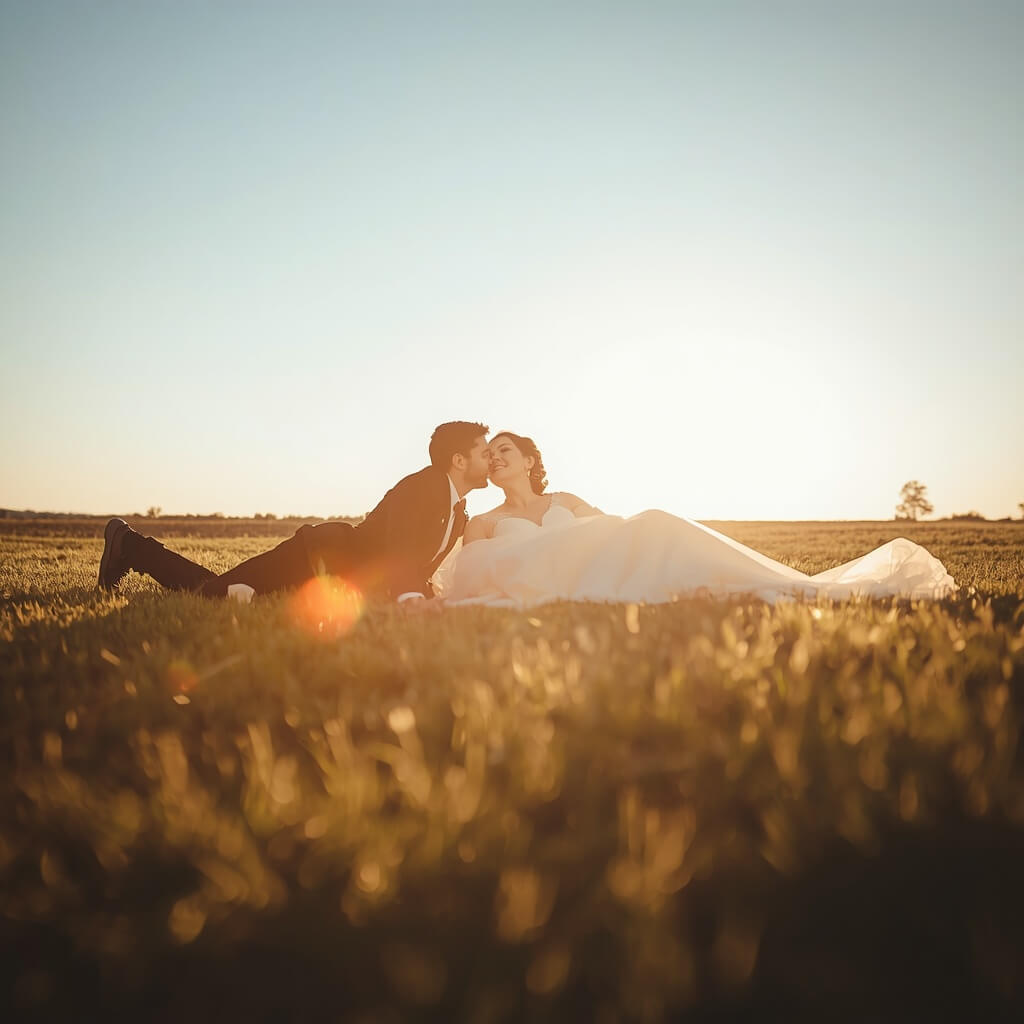
Once you know someone is experienced and prepared, you need to understand whether their creative approach is actually right for you. Style is personal, but there are specific questions that help you understand how a photographer thinks and works.
How Would You Describe Your Photography Style?
Let the photographer answer in their own words first. Then compare that description to the images you have seen. If they say “documentary and unposed” but their portfolio is full of heavily staged formal shots, there is a disconnect. If they say “light and airy film-inspired” and the work matches, you know what you are getting.
The best photographers can articulate their style clearly and give you examples of how it shows up in their work. Someone who struggles to describe their own approach may not have a consistent one.
How Do You Handle Low Light and Indoor Venues?
This question separates photographers who are technically strong from those who only look good in ideal conditions. Wedding ceremonies in dark churches, reception halls with tungsten lighting, and outdoor events at dusk require real technical skill. Ask to see examples of this specifically.
Ask whether they use flash, off-camera lighting, or only natural and available light. There is no universally correct answer, but you need to know their approach because it will affect the look of your photos, and some venues restrict flash photography. Make sure their tools and technique match your venue’s constraints.
How Much Do You Direct vs Let Moments Happen?
Some photographers are highly directive. They will position you, tell you where to stand, and create specific setups for portraits. Others are primarily observers who document what unfolds naturally. Most fall somewhere between, and many adjust their approach based on what the day calls for.
Neither approach is wrong. But it matters for you personally. If you are uncomfortable being directed, a photographer who insists on 90 minutes of formal poses will make you miserable. If you want guidance and structure, a fully documentary approach may leave you wishing someone had told you where to look.
Ask for examples of the posed and unposed work separately to see both sides of how they operate.
Do You Shoot Film, Digital, or Both?
Digital is the standard, and most photographers shoot digitally. But film has made a significant comeback among certain photographers, and hybrid shooters who use both are increasingly common. Film produces a different look, a different color palette, and typically a smaller number of photos per roll.
If a photographer shoots some film, ask what that means practically. Does it affect delivery timeline? Is it included in the package or an add-on? Are you getting film scans or digital prints from those images? Know what you are getting before you sign.
Questions About Packages, Pricing, and Deliverables

Photography is one of the largest expenses in a wedding budget. The average US wedding photography cost runs from $2,000 to $4,500, and packages vary wildly. Clarity here prevents misunderstandings later.
What Is Included in Your Package?
Get a full list in writing. Coverage hours, number of photographers, engagement sessions, albums, prints, online gallery access, rights to files, and anything else that is part of the package. Know specifically what is and is not included before you compare quotes between photographers.
Some photographers bundle an engagement session. Some charge extra for it. Some include a complimentary album design. Others sell albums as a separate add-on. These differences can add hundreds or thousands of dollars to a seemingly lower-priced package.
How Many Edited Photos Will We Receive?
Most wedding photography packages deliver between 400 and 800 edited photos. That number depends on hours of coverage, venue, size of the wedding, and the photographer’s editing style. Some photographers cull heavily and deliver 300 beautifully selected images. Others deliver more.
Ask what “edited” means to them. Culling and color correction is a baseline. Retouching skin, removing distractions, or doing heavy compositing work is a different level of editing. You want to know what the final gallery will actually look like, not just how many files you will receive.
How Long Until We Get Our Photos Back?
Wedding photographers typically deliver edited photos within 6 to 12 weeks after the wedding. Some deliver in four weeks. Some take longer, especially during peak season when they have multiple weddings overlapping in their editing queue.
Get the timeline in the contract as a specific range, not a vague estimate. “A few months” is not a delivery timeline. “6 to 8 weeks from the wedding date” is. The difference matters when you are anxious and excited to see your photos.
Do You Offer Prints, Albums, or Digital Only?
Some packages are digital-only, meaning you receive files and handle printing yourself. Others include professional print products. Know which you are getting.
If you love the idea of a physical album but the package is digital-only, ask whether albums can be added and what that costs. Professional albums from photographers are typically heirloom quality. If you decide to print independently, a large-capacity album like the Lanpn Wedding Photo Album 4×6 600 Pockets (Linen Hardcover, Beige) holds up to 600 horizontal and vertical 4×6 photos in an acid-free, dustproof linen cover with silver stamping, ideal for organizing and displaying your delivered photos at home.
What Is Your Payment and Cancellation Policy?
Standard practice is a deposit at booking (typically 25 to 50 percent) and the balance due before or on the wedding day. Know when the final payment is due and what payment methods are accepted.
Ask what happens if you need to reschedule versus cancel. Rescheduling policies are often more flexible than cancellation policies. Understand specifically what you lose if you cancel at 90 days, 60 days, or 30 days before the wedding.
Also ask whether the deposit is transferable to a new date if you reschedule. Many photographers will apply the deposit to a new date within a certain window, especially if the original date can be re-booked. Others treat the deposit as non-refundable under any circumstances. Neither policy is unusual, but you should know which applies to you before you sign. Life happens. Venue closures, family emergencies, and last-minute changes are more common than couples expect. Knowing your options in advance saves a stressful conversation later.
Questions About the Wedding Day Itself

The logistics of how a photographer operates on the actual day matter as much as their portfolio. These questions cover practical details that affect how the day runs.
Will You Be the Primary Shooter or an Associate?
This is one of the most important questions you can ask. Some photography studios book under the lead photographer’s name but sometimes send an associate photographer instead. That associate may be talented. They may not be. But you hired the person whose portfolio you fell in love with.
Get confirmation in writing that the person you are booking is the person who will be there. If there is any possibility of an associate being sent, ask to see that associate’s full portfolio separately before agreeing.
Do You Bring a Second Shooter?
A second shooter covers angles the primary photographer cannot be in simultaneously. They often photograph the groom getting ready while the lead shoots the bride. During the ceremony, they capture reactions from a different position. At the reception, they can document the crowd while the primary focuses on the couple.
Second shooters typically add 10 to 20 percent to the overall package cost. For weddings with more than 75 guests or multiple locations, a second shooter is usually worth it. Ask what the second shooter specifically covers and whether their images are included in your gallery delivery.
How Do You Work With Our Wedding Timeline?
A good photographer is not just a person with a camera. They are an active part of making the day run smoothly. Ask how they approach the timeline, whether they work with the planner or coordinator, and how they handle situations where the schedule runs behind.
Ask specifically about golden hour portraits. If you want those sunset images, the timing needs to be planned deliberately. A photographer who says “we will find time somehow” is less reassuring than one who says “we build a 20-minute golden hour window into every timeline after dinner.”
Have You Worked With Our Other Vendors Before?
Photographers and videographers who know each other work more smoothly together. A photographer who has worked at your venue with your florist and your DJ understands how the day flows. This is a nice-to-have, not a requirement. But if a photographer has worked with your team before, it is worth knowing.
Questions About the Contract
The contract protects both of you. Do not sign anything until you understand what it says.
What Does the Contract Actually Cover?
A solid wedding photography contract covers: the wedding date, location, hours of coverage, photographer name (specifically), number of shooters, deliverables, delivery timeline, payment schedule, cancellation terms, rescheduling terms, liability limitations, and copyright terms.
If any of those elements are missing or vague, ask for clarification before signing. Verbal agreements do not hold up when something goes wrong.
What Rights Do We Have to Our Photos?
Most wedding photographers retain copyright but grant couples personal use rights. That typically means you can print the photos, share them on social media, and use them for personal purposes. You cannot sell them or use them commercially without permission.
The distinction matters most if you want to enter photos in a magazine feature, use them in a business context, or share them with vendors for their own promotional use. Understand exactly what you are and are not allowed to do with your photos. Some photographers charge additional fees for commercial use. Others include a broader license in the contract.
What Happens to Our Photos If You Close Your Business?
This is a question almost no one asks. If a photography studio closes, goes through a bankruptcy, or a solo photographer becomes incapacitated, what happens to your files?
A responsible photographer keeps client files backed up in multiple locations and has a plan for transferring files to clients in the event that they can no longer operate. Ask whether files are backed up on cloud storage and how long they retain files after delivery. Some photographers keep files for one year. Others keep them for five. Some delete after delivery.
The best answer is that files are stored in at least two separate locations, one of which is cloud-based, and that there is a named person or process to release those files to clients if something happens to the photographer. This sounds extreme, but photography businesses do close. Photographers do retire, relocate, or face personal circumstances that end their business unexpectedly. Your wedding photos are irreplaceable. Asking this question costs nothing and could matter enormously.
Red Flags and Green Flags to Watch For

| Category | Red Flag | Green Flag |
|---|---|---|
| Portfolio | Only shows highlights, no full galleries | Willingly shares complete wedding galleries |
| Availability | Vague about who will actually shoot | Confirms in writing who will be there |
| Backup plan | No clear answer if they cannot make it | Has a named backup photographer ready |
| Communication | Slow to reply before booking | Responds promptly and professionally |
| Contract | Verbal agreements only | Everything in writing, clear and specific |
| Delivery | “A few months” with no timeline | Specific week or date range in writing |
| Style | Only shows one type of wedding | Portfolio shows variety of venues and lighting |
| Pricing | Quotes change after initial conversation | Transparent pricing from the first conversation |
The Full Questions Checklist
Use this table before and during your photographer consultations. Print it or save it to your planner.
| Category | Question |
|---|---|
| Availability | Is my date available and confirmed? |
| Experience | How many weddings have you personally shot? |
| Portfolio | Can I see a full gallery from a recent wedding? |
| Venue | Have you shot at our venue before? |
| Style | How would you describe your photography style? |
| Package | What is included in this package exactly? |
| Deliverables | How many edited photos will we receive? |
| Timeline | How long until we get our photos back? |
| Shooter | Will you personally be shooting or sending someone else? |
| Second shooter | Do you bring a second shooter and what do they cover? |
| Backup | What is your backup plan if you cannot make it? |
| Contract | What does your contract cover for cancellations? |
| Rights | Do we have full rights to print our photos? |
After You Book — What Comes Next
Booking a photographer is not the end of the process. The months between signing and the wedding day include several touchpoints that matter.
The Engagement Session and Why It Matters
Most photographers offer or recommend an engagement session, either as part of the package or as an add-on. This is not just a way to get nice photos for a save-the-date. It is a chance to work with your photographer before the most important day of your life.
You learn how they direct you. They learn how you respond to direction. You figure out whether the chemistry is there and whether you feel comfortable in front of their camera. If the engagement session feels awkward and forced, that is useful information. If it feels easy and natural, you go into the wedding with confidence.
An engagement session also gives the photographer a chance to understand your personalities and what candid moments look like between the two of you. The photos on your wedding day will be better for it.
How to Build a Shot List Without Over-Controlling
A shot list is a list of specific photos you want the photographer to make sure they capture. Typically this covers family formal groupings, specific details, and a handful of key moments.
Keep it focused. A shot list of 200 items is impossible to execute and signals to the photographer that you do not trust their judgment. A shot list of 20 to 30 items covering must-have family groupings and a few personal priorities is genuinely helpful.
Discuss the shot list with your photographer well before the wedding, not on the day. Give them names and photos of family members who are particularly important so they can find people efficiently during portrait time.
For family formals specifically, list the exact groupings you want in the order you want them. Start with the largest groupings and work down to smaller ones. This prevents having to call the same people back multiple times, which is where portrait time bleeds away fastest. Assign a family member or wedding party member to help round people up. Your photographer’s job is to take the photo. The rounding-up part needs a helper on your side.
What to Prepare the Week Before the Wedding
The week before, confirm the final timeline with your photographer. Make sure they have the address of the getting-ready location, the ceremony venue, and the reception space. Confirm what time they are arriving and who they will ask for when they get there.
If you want first-look portraits before the ceremony, confirm the location and time. If there are any restrictions at the ceremony venue (no flash, restricted aisle photography), make sure your photographer knows in advance.
Small things matter on the wedding day. A bridal emergency kit like the Bridal Emergency Kit with 40+ essentials includes safety pins, fashion tape, thread, and personal care essentials so that a wardrobe issue never becomes a photograph problem. Keep one in your getting-ready suite.
After the Wedding — Storing Your Photos

When your gallery arrives, back it up immediately. Download the full gallery to an external hard drive. Save it to cloud storage. Do not rely on the photographer’s server as your only copy. Most photographers retain files for 12 months after delivery, but policies vary.
For physical display, a quality album makes a real difference. The Lanpn Wedding Photo Album 4×6 600 Pockets (Linen Hardcover, Beige) holds up to 600 horizontal and vertical 4×6 photos in an acid-free, dustproof linen hardcover with silver stamping and dimensions of 13 x 13.3 x 2.4 inches. It is the kind of album that stays beautiful for decades and holds a full wedding’s worth of photos comfortably.
Print your favorites. Get a large print of your favorite photo for the wall. Do not let beautiful images sit on a hard drive for years without ever seeing them displayed properly.
Related Reading
- How to Find a Wedding Photographer
- How to Choose a Wedding Venue
- When to Buy a Wedding Dress
- How to Set Up a Wedding Registry
- Best Man Speech Ideas
Frequently Asked Questions
What questions should I ask a wedding photographer?
Start with the questions that confirm the basics: Is my date available? Will you personally be shooting? How many weddings have you shot? From there, move into style, deliverables, and the contract. The most essential areas to cover are experience, who is actually behind the camera on your day, what you receive and when, what the contract says about cancellations, and what rights you have to your photos. Ask to see a full wedding gallery before any other question.
What should a wedding photographer provide?
A professional wedding photographer should provide a written contract covering coverage hours, deliverables, and timeline. After the wedding, they should deliver a gallery of fully edited photos, typically 400 to 800 images, within 6 to 12 weeks. They should also provide clear terms for your usage rights so you know what you can print and share. Some packages include prints or albums; others are digital-only. Know what is included in yours before signing.
What is the most important thing to ask a photographer?
Ask to see a full wedding gallery from start to finish, not just highlights. This single request tells you more than any other question. It shows you how consistently they perform across an entire wedding day, including difficult lighting, emotional moments, crowd candids, and quiet in-between moments. If a photographer cannot or will not share a complete gallery, that is the biggest single red flag in the hiring process.
How do you know if a wedding photographer is good?
A strong wedding photographer consistently delivers across the full range of a wedding day: getting ready, ceremony, portraits, reception, and low-light moments. Their full galleries show variety without major quality drops between the best shots and the ordinary ones. Reviews mention communication, timeliness, and behavior on the day as well as the photos themselves. They have a clear and consistent style, can describe it in their own words, and their work matches that description.
What are red flags when hiring a wedding photographer?
The biggest red flags: only showing highlight images rather than full galleries, vague answers about who will actually be shooting, no named backup plan if they cannot attend, verbal-only agreements with no written contract, delivery timelines that are not specified in writing, and pricing that changes after initial conversations. Also watch for slow response times during the booking process. How a photographer communicates before you hire them is a preview of how they communicate once you have paid.
Should the wedding photographer be present at the rehearsal?
It is not standard practice for the photographer to attend the rehearsal, and most packages do not include rehearsal coverage. However, some photographers do offer rehearsal dinner coverage as an add-on. The more useful request is for your photographer to visit the ceremony venue before the wedding day if they have not shot there before. This allows them to understand the lighting, layout, and any restrictions without the pressure of the actual day.
How many photos does a wedding photographer deliver?
Most wedding photography packages deliver between 400 and 800 edited photos, depending on coverage hours, wedding size, and the photographer’s editing style. A full-day package covering 8 to 10 hours typically delivers in the higher end of that range. A shorter coverage package might deliver 300 to 400 images. The number alone does not determine quality. Ask what “edited” means, whether that includes retouching, and whether there is a minimum guaranteed count in the contract.
What rights do you have to your wedding photos?
In most standard wedding photography contracts, the photographer retains copyright but grants the couple a personal use license. This means you can print photos, share them on social media, and use them for personal purposes. You typically cannot sell the photos or use them for commercial purposes without additional permissions. Read your contract carefully. Some photographers offer broader licenses; others restrict usage more than the standard. If you want to submit photos to a wedding publication or use them in a business context, discuss this before signing.
What happens if a wedding photographer cancels?
If a photographer cancels before your wedding, the key questions are whether you get your deposit back and what happens with finding a replacement. A professional contract should address cancellation terms on both sides. If the photographer cancels due to illness or emergency, a good photographer will either find a suitable replacement of equal skill or refund your payments in full. This is why asking about the backup photographer plan before booking matters so much. If there is no plan in writing, you have no protection.
How do you compare wedding photographer quotes?
Compare quotes based on total value, not starting price. Two quotes at the same number may include very different things. One may include an engagement session, a second shooter, and a print album. The other may be digital-only with a single shooter. Build a comparison sheet listing: coverage hours, shooter situation, engagement session, photo count, delivery timeline, album or prints included, and usage rights. The lowest price often has the least coverage.
Is it OK to negotiate with a wedding photographer?
Yes, within reason. Most established photographers have set pricing and will not reduce it significantly. However, it is reasonable to ask whether the package can be adjusted to remove something you do not need in exchange for a lower price, or to ask whether they can add something of value instead of discounting. Asking about payment plans is also completely appropriate. Approach it as a conversation about what works for both of you, not a negotiation to get the lowest possible price from someone who is delivering a premium service.
What should a wedding photography contract include?
A complete wedding photography contract should include: the exact wedding date, start and end time of coverage, name of the specific photographer who will be shooting, number of shooters, what is included in the package, minimum photo count guarantee, delivery timeline in writing, payment schedule with due dates, deposit terms and what happens if you cancel, what happens if the photographer cancels or cannot attend, copyright and usage rights, and any restrictions or special circumstances specific to your venue or event.
You have the questions. You know what good answers look like. Now go book the photographer who gives you confidence, not just beautiful Instagram photos. The contract is signed, the date is locked, and your photos are in good hands.
About The Author


Leave a Reply