
Quick Answer
Yes, you can rent a wedding dress, and it is a completely legitimate option used by thousands of brides every year. The process works like this: you book a try-on appointment (in person or sometimes by mail), pick your size and backup size, sign a rental agreement, and the dress arrives anywhere from one to several weeks before the wedding. Most rental periods run from three days to about three weeks. Renting works best for brides planning destination weddings, brides who want a designer look without a designer price tag, and brides who do not care about keeping the dress afterward. The single biggest limitation to know about going in: rental gowns almost never allow permanent alterations. You can expect temporary fixes like clip-in bustles or basting stitches, but resizing, recutting, or changing the neckline is usually off the table.
Yes, Renting a Wedding Dress Is a Real and Legitimate Option

If you have only ever shopped for a wedding dress the traditional way, the idea of renting one can feel like it must come with a catch. It does not. Bridal rental has become its own established corner of the wedding industry, with boutiques that operate just like traditional bridal shops in every way except one: you give the dress back.
Lundyn Carter, cofounder and CEO of Atlanta-based rental bridal shop Laine London, confirms that renting a wedding dress is a legitimate, established option, noting that rental boutiques attend the same bridal markets and work with the same designers as traditional bridal shops. That detail matters more than it sounds like it should. It means the gowns you are looking at on a rental site or in a rental boutique are not knockoffs or off-brand alternatives. They are the same designer collections, sourced through the same industry channels, just offered under a different ownership model.
How Mainstream Wedding Dress Rental Has Become
Ten years ago, renting a wedding dress was a niche idea that most brides had never even heard of. Today it sits alongside buying off the rack, buying custom, and borrowing from family as a normal fourth option. Rental boutiques now exist in most major cities, and several online platforms ship gowns nationwide, so geography is rarely the blocker it used to be.
The shift has also changed how rental companies operate. Early rental shops tended to carry leftover sample dresses or last season’s inventory, which gave the whole category a slightly secondhand feel. That is not how most reputable rental boutiques work now. Many maintain rotating inventory pulled directly from current designer collections, retire gowns after a set number of wears to keep quality high, and run the same kind of personalized fitting appointments you would expect from a full-price bridal salon. The experience of walking into a rental boutique today looks almost identical to walking into a traditional one, right down to the champagne and the three-way mirror.
Part of this growth has also been driven by the secondhand and resale economy more broadly. Brides who grew up renting formalwear for proms and renting designer handbags for special events do not see wedding dress rental as a stretch. It feels like a natural extension of something they were already comfortable doing.
How Rental Companies Source Their Inventory
A common question brides have once they understand renting is real is where the dresses actually come from. Reputable rental boutiques buy directly from bridal designers and distributors, the same way a traditional shop would stock its sample room. Some companies also partner with designers on rental-exclusive capsule collections, while others rotate gently used gowns that have been professionally cleaned and inspected between rentals. None of this is secret or hidden. A rental company with nothing to hide will usually tell you exactly how a dress was sourced if you ask during your appointment.
High-Profile Examples That Normalized Renting
Part of what pushed bridal rental into the mainstream conversation was watching public figures choose it openly. Wedding dress rental has grown substantially in popularity following high-profile examples, including Carrie Symonds renting her wedding dress from My Wardrobe HQ in 2021 and Princess Beatrice wearing a vintage gown on loan from Queen Elizabeth II in 2020. Neither of these women needed to save money. They chose renting or borrowing because it fit their values and their style, and that visibility did a lot to remove the stigma that used to follow the idea of a “rented” wedding dress.
Why More Brides Are Considering It Every Year
Rising dress prices are the obvious driver, but they are not the only one. Sustainability-minded brides like the idea of a shared-use garment instead of a single-wear gown headed for storage. Brides planning second weddings often do not want to spend thousands on a dress they associate with one day. And brides who love the idea of wearing a dress they could never otherwise afford, something from a designer collection well outside their normal budget, find that renting is often the only way to make that happen.
There is also a quieter reason that does not get talked about as much: decision fatigue. Wedding planning involves dozens of expensive, high-stakes choices in a short window, and for some brides, knowing the dress is temporary actually lowers the emotional pressure of getting it exactly perfect. It becomes one choice among many rather than the single most weighted decision of the entire process. For brides who feel overwhelmed by the idea of finding “the one” dress they will own forever, renting can genuinely reduce stress rather than add to it.
Finally, the rise of micro-weddings and elopements has played a role too. Smaller, more intimate weddings often come with smaller overall budgets, and couples putting their money toward a memorable location or a longer guest list trip are often happy to rent the dress and redirect that money elsewhere.
How Wedding Dress Rental Actually Works
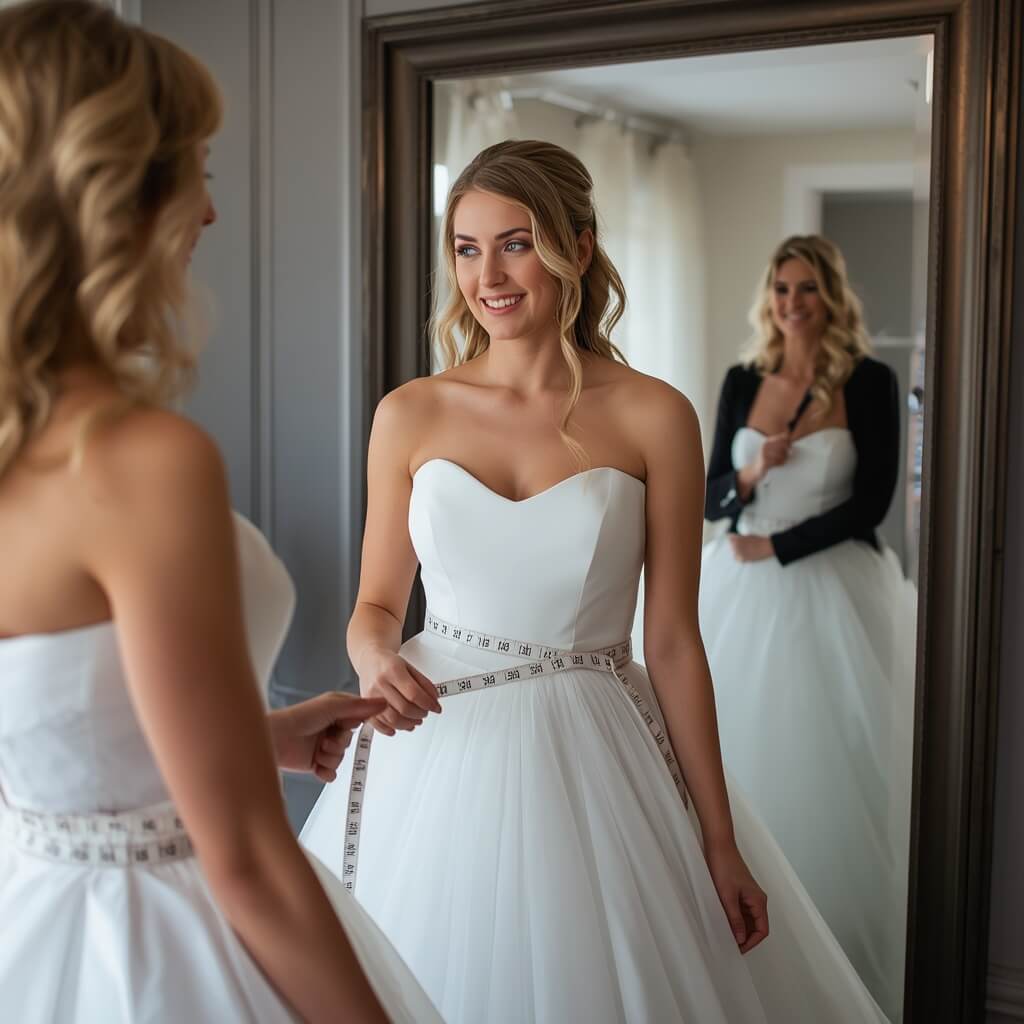
The mechanics of renting a wedding dress are closer to renting a tuxedo than people expect, just with more steps because the fit matters so much more.
Booking and Trying On Rental Gowns
Most rental boutiques want you to try on gowns in person, the same way you would at a traditional bridal shop. You schedule an appointment, try on a curated selection based on your style and budget, and the consultant helps you narrow it down. Some online-only rental platforms skip the in-person step and let you order a sample size to try at home before committing to your rental dates, but this is less common for full-length designer gowns and more common for lower-cost or bridesmaid-style rentals.
During the appointment, expect the consultant to take detailed measurements, the same set a tailor would use for a traditional purchase: bust, waist, hips, and torso length at minimum. These measurements get matched against the rental inventory’s existing size run rather than used to order a custom-made dress, so be ready to hear that your exact first choice is unavailable in your size for your date and that a similar alternative is being suggested instead. This is normal and not a sign of a disorganized company. Rental inventory is finite by nature, since only one bride can have a given dress and size on a given weekend.
It also helps to ask at the appointment how many other brides are typically renting the same dress around your wedding date, and how the company schedules cleaning and inspection between rentals. A transparent company will walk you through exactly how the dress gets turned around between wearers.
Payment, Deposits, and Contracts
Almost every rental company requires a signed agreement and some form of deposit before the dress ships. The deposit is usually separate from the rental fee itself and is meant to cover potential damage, late returns, or a missed return shipment. Deposits are commonly refunded within one to two weeks after the company receives and inspects the returned dress. Read the contract closely for the specific timeline the company commits to for refunding your deposit, since this varies more between companies than most other policies.
Standard Rental Periods and Timelines
Most rental wedding dress periods run from three days up to about three weeks, depending on the rental company and package selected. A short three-day rental is usually enough if the dress arrives right before the wedding and ships back immediately after. A longer three-week window gives you breathing room for a destination wedding, a weather delay, or simply peace of mind that the dress is sitting in your closet rather than in transit.
What Happens If the Dress Does Not Fit Perfectly
This is the part that makes people nervous, and it is fair to be nervous about it. Rental companies handle fit risk differently depending on the company. Some let you order a backup size at no extra cost so you have options on hand. Some build minor sizing adjustments into the rental fee. Others are stricter and expect you to commit to one size based on your measurements and a virtual or in-person consultation. Always ask directly what happens if the dress arrives and does not fit the way you expected, before you sign anything.
It is worth knowing that bridal sizing in general runs smaller than standard ready-to-wear sizing, often by two to four sizes, and rental inventory follows the same scale as traditional bridal shops rather than your everyday clothing size. If you have not been professionally measured for a wedding dress before, do not assume your usual dress size translates directly. This is one of the most common reasons brides end up frustrated with a rental fit, and it has nothing to do with the rental model itself.
Some companies also offer a “fit guarantee” where, if the dress truly does not work once it arrives, they will rush a replacement size if one is available in their inventory. This is not universal, so confirm whether it exists before you rely on it as a backup plan.
| Timeline | What to Do |
|---|---|
| 6 to 12 months out | Start browsing rental collections and styles |
| 4 to 6 months out | Book a try-on appointment or order a sample |
| 2 to 3 months out | Confirm your exact rental dates and sign agreement |
| 1 month out | Order a backup size or backup look if available |
| 1 to 2 weeks out | Dress typically arrives or pickup is scheduled |
| Day before | Steam, prepare, and do a full rehearsal in undergarments and shoes |
| Within days after | Return the dress per the rental agreement |
What You Can and Cannot Alter on a Rental Dress

This is the section every bride considering a rental should read twice. Alteration limits are the one part of renting that genuinely changes how the dress will look and feel on you, and it is worth planning around early rather than discovering the hard way two weeks before the wedding.
Temporary Alterations That Are Usually Allowed
Rental gowns typically allow only temporary alterations such as basting stitches, clip-in bustle loops, or strap adjustments, rather than permanent changes like resizing or major neckline edits. Basting stitches are loose, removable stitches that pull a seam in slightly without cutting fabric. Clip-in bustle loops let you bustle the train for the reception without sewing anything in place. These fixes can make a noticeable difference in how the dress sits on your body, even though none of them are permanent.
Permanent Changes That Are Almost Never Allowed
Cutting the hem, resizing the bodice, recutting the neckline, or dyeing the fabric are essentially always off the table. The dress has to go back in close to the same condition it arrived in, ready for the next bride to rent it, so any permanent modification defeats the purpose of the rental model.
This also extends to things brides do not always think of as “alterations.” Removing built-in boning, cutting away a liner for breathability, or punching new holes for a corset back are all treated the same way as a major structural change, even though they might feel minor in the moment. If a change cannot be undone before the next bride rents the dress, assume it falls into the not-allowed category.
How to Plan Around These Limits
The practical move is to choose a dress that is already close to your shape and proportions rather than picking a dress you love and hoping alterations will fix the difference. A good rental consultant will steer you toward silhouettes that flatter your body as it is, since they know going in that big structural changes are not an option.
It also helps to think in terms of layers rather than permanent changes. A detachable belt, a clip-in cape, or a removable overskirt can transform how a dress looks and fits without touching the gown itself, and these add-ons are usually treated very differently from a true alteration since nothing is permanently attached to the rental garment. If a particular dress is close but not quite right, ask the consultant whether any add-on accessories exist for that specific style before assuming it is a lost cause.
| Alteration Type | Usually Allowed | Usually Not Allowed |
|---|---|---|
| Hem length adjustment | Temporary clips or tape | Permanent cutting or sewing |
| Strap tightening | Temporary clips | Permanent restitching |
| Bustle for the train | Clip-in bustle loops | Sewn-in bustle points |
| Bodice sizing | Minor basting stitches | Major resizing or recutting |
| Neckline changes | Rarely allowed at all | Almost always prohibited |
| Color or dye changes | Never allowed | Always prohibited |
| Adding sleeves or a cape | Sometimes as a detachable add-on | Permanent attachment |
If bustling is part of your reception plan, it helps to understand how to bustle a wedding dress before the big day, since a rental gown needs to go back undamaged and a poorly handled bustle attempt is one of the more common ways brides accidentally strain seams or fabric.
Renting vs Buying: An Honest Comparison

Neither option is universally better. It depends on what you actually care about once the wedding is over.
Where Renting Wins
Renting wins on upfront cost, on not having to think about cleaning and preservation afterward, and on letting you wear something well above your normal price range. It also wins for anyone trying to keep their wedding’s environmental footprint lower, since a shared-use dress avoids the single-wear waste of a dress that gets worn once and then stored indefinitely.
It also quietly wins on closet space and post-wedding logistics, which nobody factors in ahead of time. A purchased gown needs to be cleaned within a set window after the wedding, boxed properly, and stored somewhere that will not damage the fabric over years. That is an extra task, an extra cost, and an extra thing to coordinate during the exhausted weeks right after the wedding. With a rental, that entire chore disappears. You ship it back, and you are done.
Where Buying Still Makes More Sense
Buying wins if you want a dress you can hand down, a dress with full custom alteration potential, or a dress that needs significant cultural or religious-specific tailoring that a rental contract simply will not allow. If the idea of giving the dress back makes you uneasy, that discomfort is worth listening to. It usually means buying is the better fit emotionally, even if renting wins on paper financially.
Buying also makes more sense if your wedding timeline is unpredictable. Weddings that get postponed, rescheduled, or extended across multiple ceremony days put real strain on a rental window built around a single, fixed return date. If there is real uncertainty about your date holding, owning the dress removes one more variable you would otherwise have to manage with a rental company.
How to Decide for Your Specific Wedding
Ask yourself one direct question: will I regret not owning this dress in five years? If the honest answer is no, renting is worth serious consideration. If you already know you want it boxed and preserved in a closet, buying is the right call, and it is worth understanding when to buy a wedding dress so you are not rushed on the timeline either way.
| Factor | Renting | Buying |
|---|---|---|
| Typical cost | $300 to $600 average | $1,200 to $3,000+ average |
| Alteration flexibility | Limited, mostly temporary | Full custom alterations possible |
| Storage after wedding | None needed | Requires cleaning and preservation |
| Sentimental keepsake | No | Yes |
| Try-before-you-commit risk | Some availability risk | Lower risk once purchased |
| Best for | Destination, second looks, budget-conscious | Heirloom value, full customization |
| Environmental impact | Lower, shared use model | Higher, single use garment |
Who Wedding Dress Rental Works Best For

Destination Weddings and Travel-Light Brides
If you are flying to a beach or vineyard for your wedding, a rental dress means one less garment bag to protect through layovers and one less thing to ship home afterward. Many brides return the dress locally or mail it back the week after, which is far simpler than transporting an owned gown both directions. Some rental companies will even ship directly to your destination, such as a resort or villa, instead of to your home address, which removes an entire leg of travel risk from the equation.
Eco-Conscious and Sustainability-Minded Brides
A wedding dress is, for most people, a one-day garment. Renting keeps that garment in circulation instead of adding another single-use dress to a closet or a landfill years down the line. For brides who have already made sustainability choices elsewhere in their wedding, like a locally sourced menu or potted plants instead of cut flowers, a rented dress fits naturally into that same set of values.
Brides Who Want a Second Look Without Owning It
Plenty of brides now wear one dress for the ceremony and a second, lighter dress for the reception. Renting the second look is an easy way to get the photos and the comfort change without paying full price for a dress you will likely never wear again. This is also a popular option for brides who want a dramatic ball gown for photos but something easier to dance in once the reception starts.
Brides Chasing a Designer Look on a Smaller Budget
This is the most common reason brides choose rental in the first place. A dress that would run $3,000 to buy might rent for a few hundred dollars, putting designer construction and fabric within reach of a budget that could never absorb the full purchase price. For brides who have a specific designer or silhouette in mind that simply is not realistic to buy, renting is often the only path to actually wearing it.
Who Should Probably Buy Instead of Rent
Brides Who Want Heirloom or Sentimental Value
If part of the appeal of your wedding dress is imagining a daughter or niece wearing it one day, renting cannot deliver that. Buying is the only path to a true heirloom piece. The same goes for brides who simply want to open a box in their closet years later and remember exactly how the day felt while standing in that exact dress.
Brides Needing Major Custom Alterations
If your body shape needs significant structural changes to the bodice, sleeves, or skirt to feel right, a rental will fight you the entire way, because those changes are the exact category of alteration rental contracts exclude. Brides who have had major changes in their body since their engagement, whether from pregnancy, surgery, or simple life changes, often need more flexibility than a rental contract is built to give.
Brides With Complex Religious or Cultural Tailoring Needs
Weddings with specific modesty requirements, layered fabric needs, or family-specific tailoring traditions often need a level of customization that a rental agreement is not built to accommodate. Buying gives you the freedom to work with a tailor without restriction, which matters enormously when the dress has to meet requirements that go beyond simple fit and style.
How Much It Costs to Rent a Wedding Dress

Typical Rental Price Ranges
Typical rental prices range from $300 to $600 for a standard rental period, though designer pieces or longer rental windows can run higher. This is still a fraction of what the same dress would cost to purchase new. Higher-end designer rentals can climb toward $1,000 or more, but even at that price point, you are usually still paying well under half of what the dress would cost to buy outright.
What Is Usually Included in the Rental Fee
Most rental fees include the dress itself, a cleaning fee built into the price so you are not responsible for dry cleaning before return, and sometimes a damage waiver that covers minor wear. Shipping both directions is sometimes included and sometimes billed separately, so confirm this before you book. Some companies also include a complimentary backup size or a second style option within the base rental price, which is worth asking about directly since it is rarely advertised upfront.
Hidden Costs to Watch For
Watch for late return fees, charges for missing the scheduled pickup window, and damage fees that kick in above whatever the included waiver covers. Ask specifically what counts as damage versus normal wear, since the definitions vary a lot between companies. Other costs to ask about include rush shipping fees if you need the dress faster than the standard window, restocking fees if you change your mind after booking, and optional insurance add-ons that some companies upsell during checkout. None of these costs are necessarily unreasonable, but they add up quickly if you do not know they exist ahead of time.
Renting a dress is one piece of a much larger budget conversation, and if you are looking at cheap wedding ideas more broadly, dress rental is one of the more painless places to cut cost without anyone noticing the difference in photos.
How to Protect Your Rental and Avoid Extra Fees

Reading the Damage Waiver and Cleaning Policy
Before you sign anything, read the damage waiver line by line. Know exactly what is covered, what counts as excessive wear, and what the company defines as the deadline for reporting an issue. A rental gown still has to travel safely to your venue and back without picking up stains, tears, or makeup transfer. A dedicated Your Bags Wedding Dress Garment Bag with a 72 inch length and 20 inch gusset is built to fit full ball gowns and keeps the dress protected from dust, snags, and moisture during every leg of the trip, which matters even more when the gown is not yours to begin with.
Preparing the Dress Before the Big Day
Rental gowns often arrive with travel wrinkles from being folded or packed for shipping. Some rental contracts restrict where you can take the dress for pressing, since not every dry cleaner understands how to handle a delicate or beaded rental garment. A handheld steamer like the Conair Turbo ExtremeSteam Handheld Garment Steamer, which heats up in 40 seconds and runs for 20 minutes of continuous steam, lets you smooth out wrinkles at home the night before without needing to find an outside cleaner or risk a restriction in your rental agreement.
Having a Backup Plan for the Wedding Day
Small accidents happen on wedding days regardless of whether the dress is rented or owned, but with a rental, any damage can affect your deposit. A compact Bridal Emergency Kit with more than 40 essentials, including safety pins, thread, fashion tape, and stain removers, gives you a way to catch a loose hem or a small spill before it turns into a return dispute.
Where to Find Wedding Dress Rentals

Local Bridal Rental Boutiques
Cities with active bridal markets usually have at least one dedicated rental boutique. These shops function like traditional bridal shops, with consultants, fitting rooms, and a curated rack, the only difference being that every dress on the rack is available to rent. The advantage of going local is being able to see, touch, and try on the actual fabric and construction before committing, which removes a lot of the guesswork that comes with ordering online.
Designer Rental Platforms
Several online platforms specialize in shipping designer gowns nationwide, which is useful if there is no rental boutique near you or if you want access to a wider range of designers than a single local shop carries. These platforms typically rely on detailed measurement charts, customer reviews of true-to-size fit, and sometimes a network of brand ambassadors who can answer fit questions for specific styles before you commit.
What to Look for in a Reputable Rental Company
Look for clear written policies on alterations, damage, and late returns before you commit. A company that is upfront about what can and cannot be changed on the dress, and what happens if something goes wrong, is generally more trustworthy than one that glosses over those details during the sales pitch. It is also worth checking how long the company has been operating, reading recent customer reviews specifically about fit accuracy and customer service responsiveness, and confirming they carry liability insurance in case a dress is lost or damaged in shipping through no fault of your own.
Rental Timeline: When to Start the Process
How Far in Advance to Begin Looking
Start browsing six to twelve months before the wedding, the same window most brides use for buying. This gives you time to compare options and book a try-on appointment without feeling rushed.
Peak Season Booking Considerations
Popular rental sizes and styles get booked out fast during peak wedding months, typically late spring through early fall. If your wedding falls in that window, move up every step of the timeline by a month or two to avoid finding your preferred dress already reserved by another bride.
Related Reading
Frequently Asked Questions
Can you actually rent a wedding dress? Yes. Bridal dress rental is a fully established option offered by both local boutiques and online platforms, using the same designer collections found in traditional bridal shops.
Is it cheaper to rent a wedding dress than buy one? Yes, in almost every case. Rental typically costs $300 to $600, compared to $1,200 to $3,000 or more for buying the same caliber of dress new.
How long can you keep a rented wedding dress? Most rental periods run from three days to about three weeks, depending on the company and the specific package you choose.
Can you alter a rented wedding dress? Only temporarily. Basting stitches, clip-in bustle loops, and strap adjustments are usually allowed, but permanent changes like resizing or recutting the neckline are not.
What happens if you damage a rented wedding dress? Most companies charge a fee based on the extent of the damage, which may be partially or fully covered by a damage waiver depending on what you purchased at booking. Always confirm the specific damage policy before signing the rental agreement.
How far in advance should you book a rental wedding dress? Start browsing six to twelve months out and aim to book your try-on appointment four to six months before the wedding, earlier if your date falls during peak wedding season.
Can you rent designer wedding dresses? Yes. Rental boutiques and platforms source from the same designers as traditional bridal shops, so designer gowns are a normal part of most rental collections.
Do you need to try on a rental dress in person? Most local rental boutiques expect an in-person try-on appointment, similar to traditional bridal shopping. Some online-only platforms allow you to order a sample size to try at home first.
What is included in a wedding dress rental fee? Most rental fees include the dress, a built-in cleaning fee, and sometimes a damage waiver. Shipping is sometimes included and sometimes billed as an add-on, so confirm this with the specific company.
Is renting a wedding dress a good idea for a destination wedding? Yes. It removes the need to transport an owned gown through travel and means you do not have to plan for cleaning or storage once you are home.
Can you buy the dress after renting it? Some rental companies offer a buyout option if you fall in love with the dress, though this is not universal. Ask directly if a purchase option exists before you book.
What happens if your rental dress does not arrive on time? Reputable rental companies build in shipping buffers and have contingency plans, such as expedited replacement shipping, for this exact scenario. Ask what their specific late-arrival policy is before booking, especially if your wedding date is tight.
What sizes are typically available to rent? Rental inventory varies by company, but most reputable bridal rental boutiques now carry a wide range of sizes, including plus sizes, since expanding size availability has been one of the biggest shifts in the rental industry over the past several years. Always confirm specific size availability for the exact dress and date you want before getting attached to it.
Can you rent a wedding dress for an elopement or courthouse wedding? Yes. Many rental companies offer shorter, simpler styles specifically suited to smaller or more casual ceremonies, and the shorter rental window for these events often makes the price even lower than a full formal gown rental.
Renting a wedding dress is a real, normal, and increasingly common choice, not a compromise. The biggest factor in making it work for you is understanding the alteration limits going in and choosing a dress and a company that fit your timeline without surprises.

About The Author


Leave a Reply